
paul sava
home
calendar
biography
vitae
wsi course
team
teaching
research
service
articles
conferences
reports
patents
book
thesis
asteroid
animations
© 2007 PC Sava
Page updated on
February 10, 2022

Seismic imaging with sparse data
Micro-seismicity can be used to monitor the migration of fluids during reservoir production and hydro-fracturing operations in brittle formations or for studies of naturally occurring earthquakes in fault zones. Micro-earthquake locations can be inferred using wave-equation imaging under the exploding reflector model, assuming densely sampled data and known velocity in the vicinity of the injection well. Seismicity is usually monitored with sparse networks of seismic sensors, for example located in boreholes. The sparsity of the sensor network itself degrades the accuracy of the estimated locations, even when the velocity model is accurately known, thus limiting the resolution at which fluid pathways can be inferred. The sparse arrays impact the reconstructed wavefields similarly to the situation when data corresponding to a model with rapid spatial variation is imaged using an approximate velocity model. In both cases, the reconstructed wavefields are characterized by random fluctuations which obstructs focusing which occurs at source locations. This situation can be improved using interferometry in the imaging process. Reverse-time imaging with an interferometric imaging condition attenuates random fluctuations, thus producing crisper images which can be used for robust automatic micro-earthquake location.
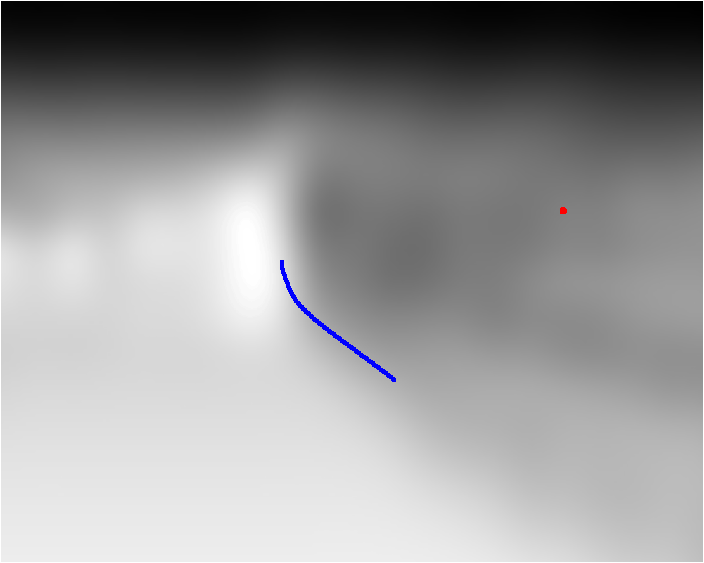
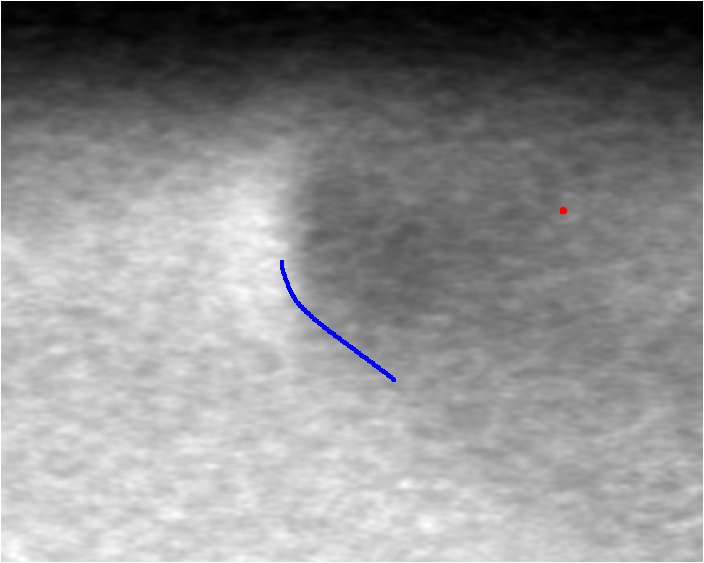
Migration velocity (left) and modeling velocity (right).
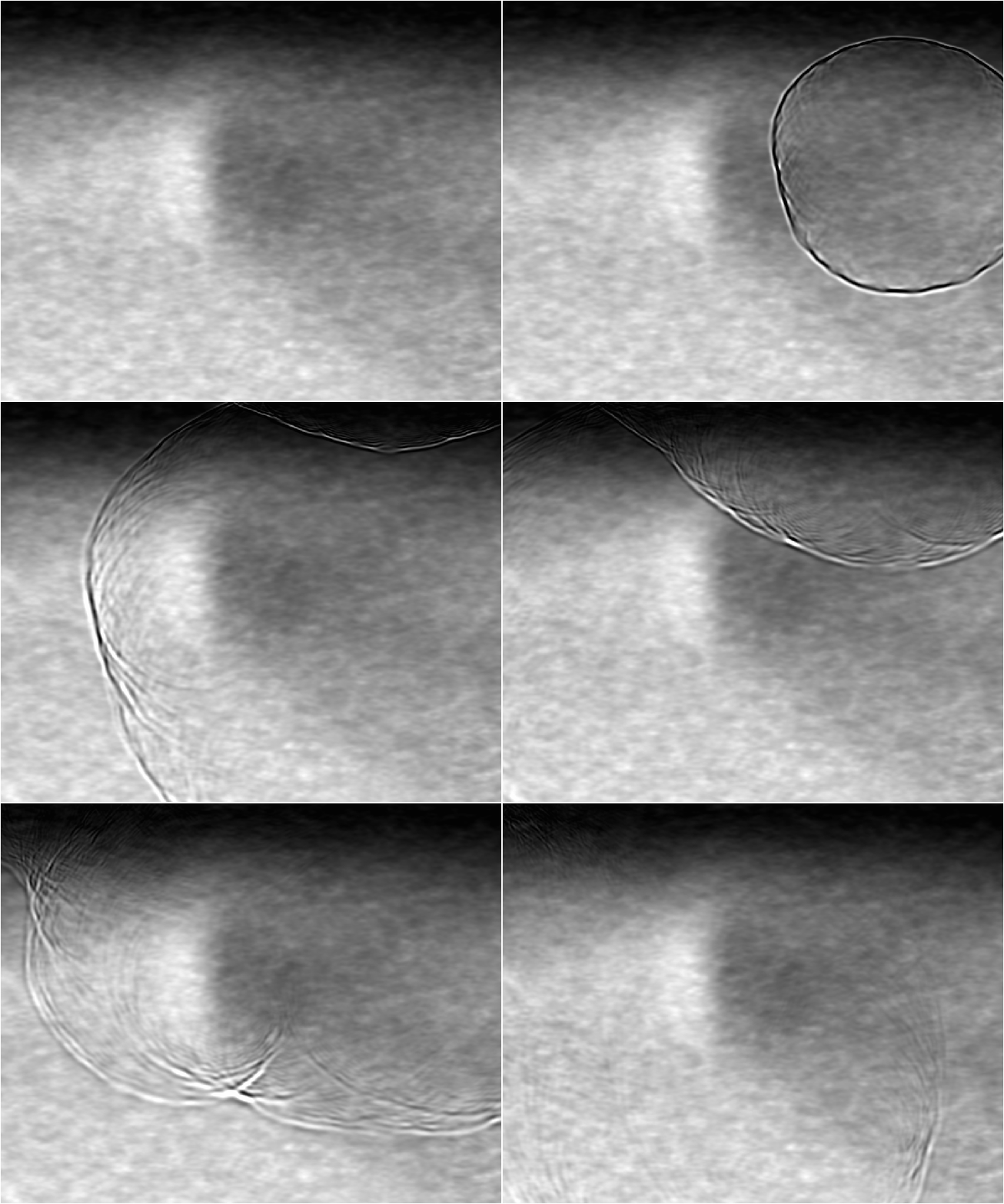
Acoustic wavefield movie.
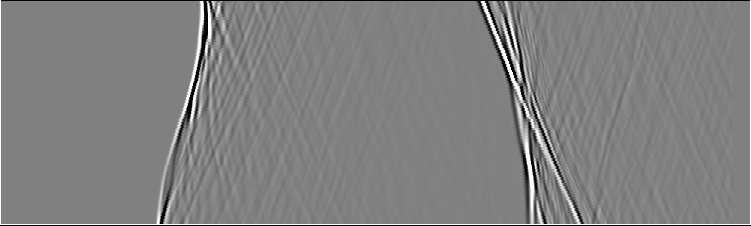
Data recorded in the borehole.
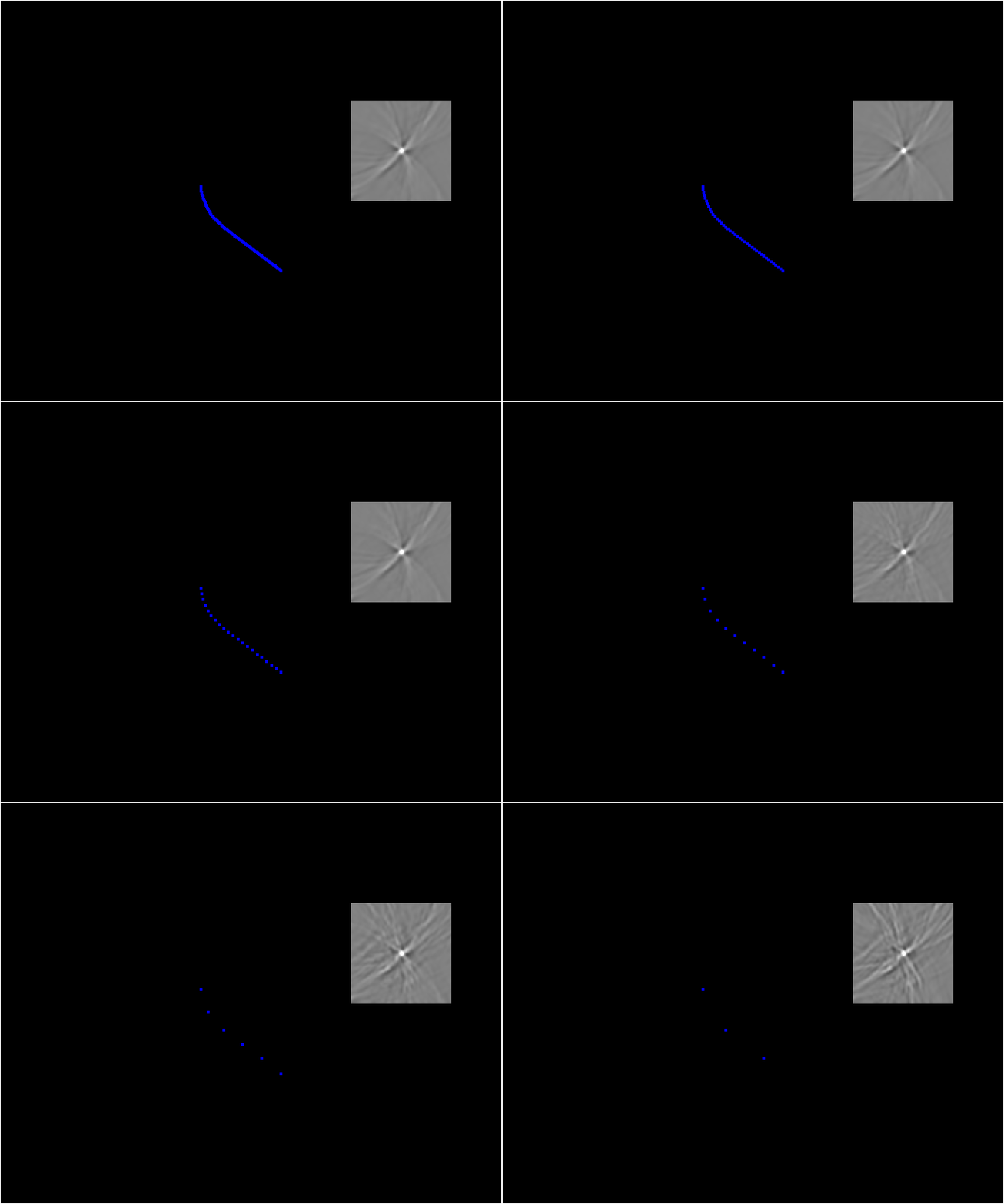
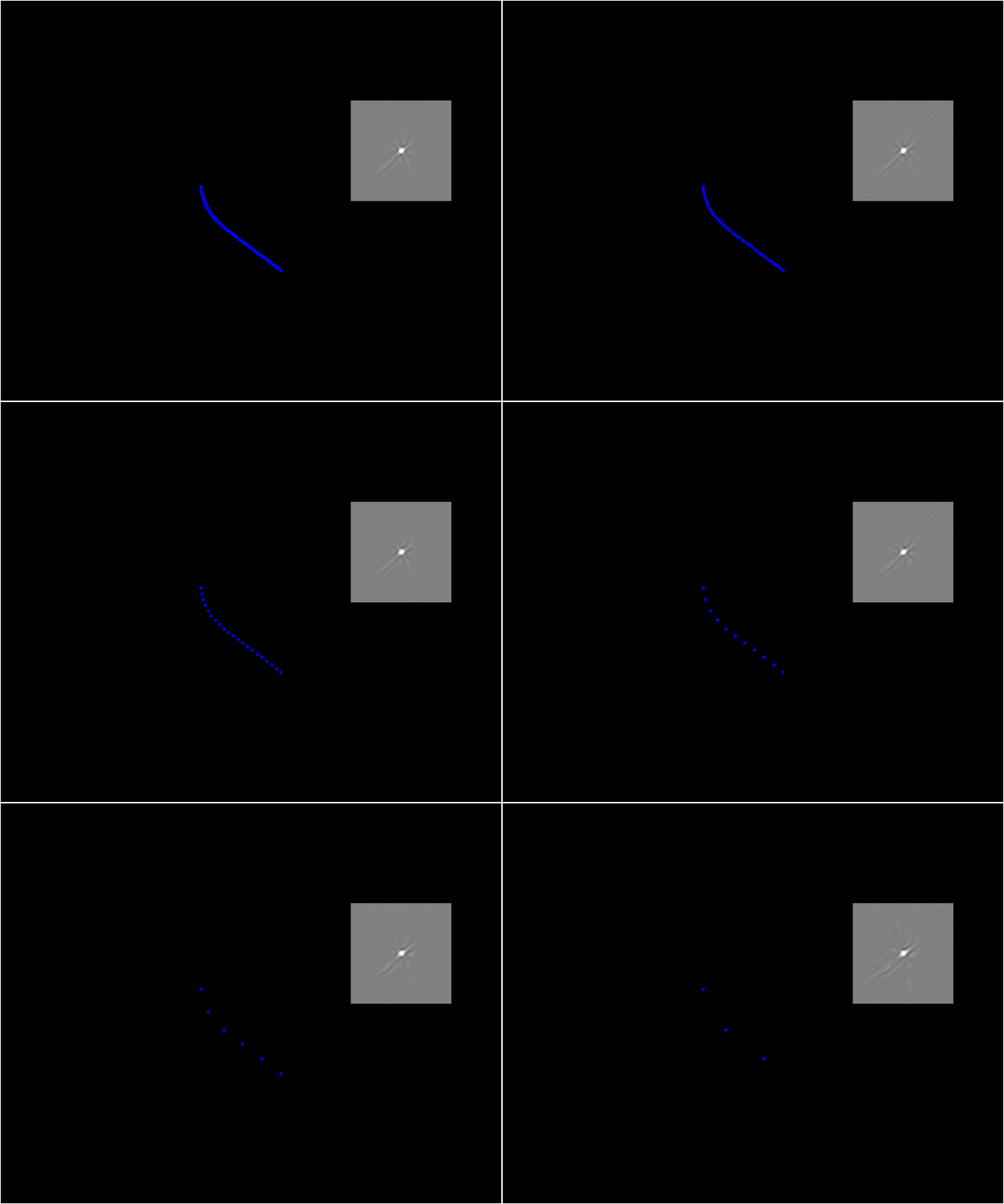
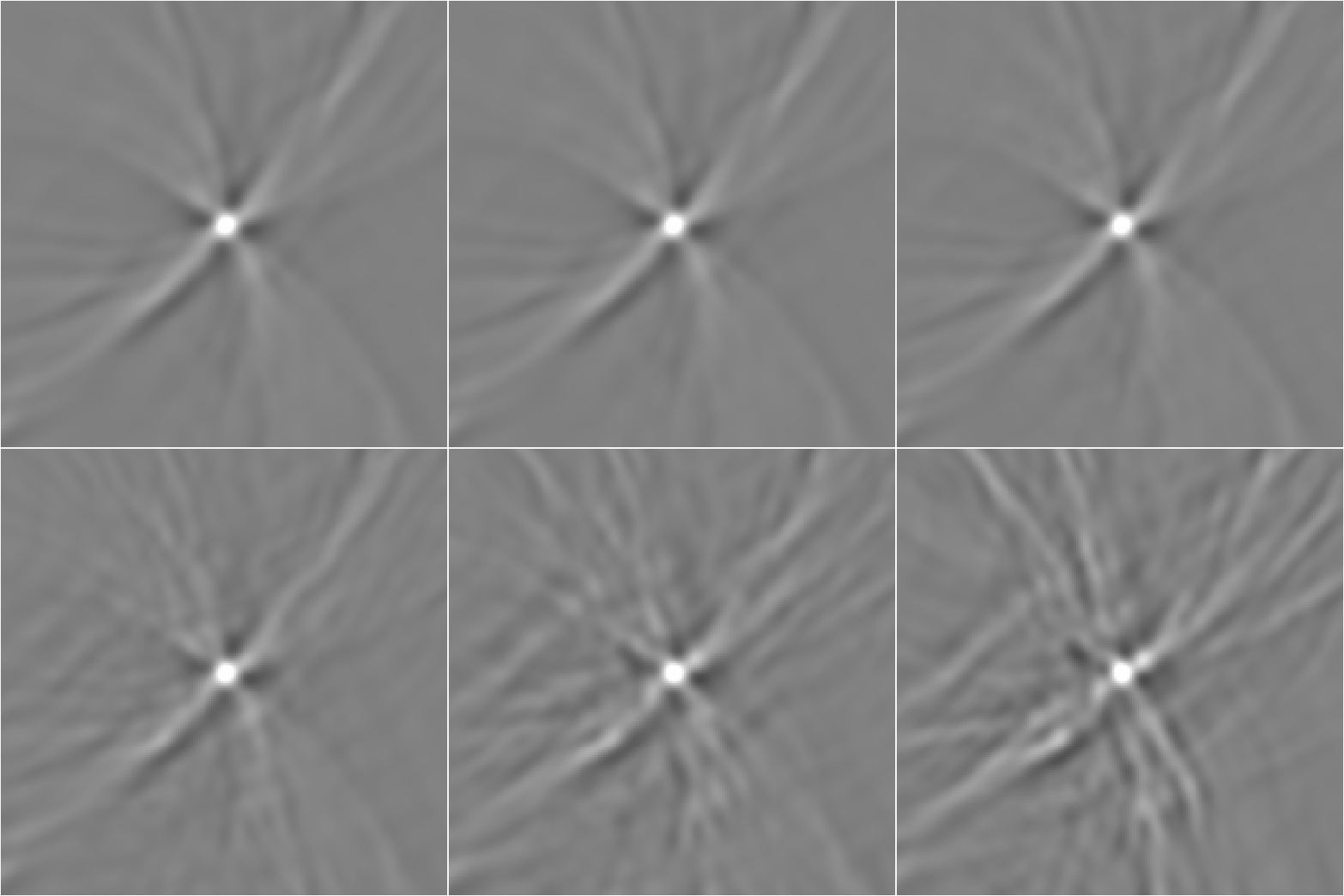
Images by conventional I.C. (left) and interferometric I.C. (right) function of sampling distance in the borehole.

References
Sava, P.C., Poliannikov, O., 2008, Interferometric imaging condition for wave-equation migration, Geophysics, v. 73, no. 2, pp. S47–S61. (doi:10.1190/1.2838043) (PDF) (reprint)|
http://www.mines.edu/~psava |